

We don't know the answer yet.
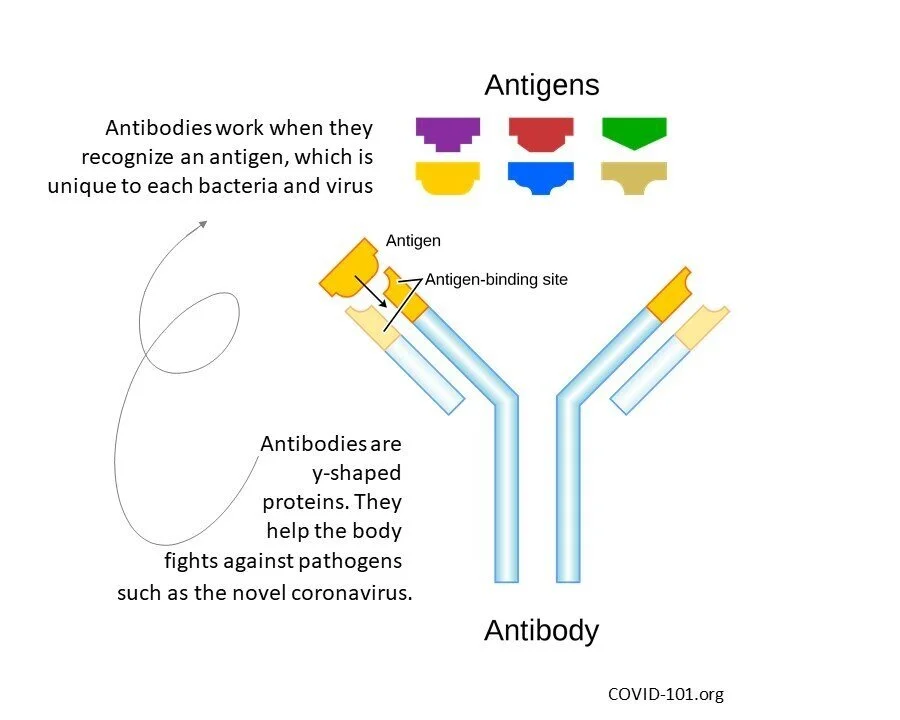
In general, when we are infected a virus, our bodies build resistance in the form of antibodies. These antibodies protect us the next time we encounter the virus.
You may have seen headlines like this one from the LA Times: “They survived the coronavirus. Then they tested positive again. Why?” But doctors believe the small number of “apparent re-infections” are actually errors due to current testing limitations.
Two new studies suggest that COVID-19 re-infection is unlikely. A small study in monkeys showed that they became immune to reinfection after recovering from COVID-19. Also providing insight, a 13-year follow-up study of healthcare workers infected during the 2002-2003 SARS outbreak (which was caused by a bug very similar to today’s novel coronavirus) showed that many people had antibodies to the virus (a.k.a. an immune response) for up to 12 years. This is very early evidence, but it suggests to scientists that COVID-19 re-infection in the short-term should be uncommon.